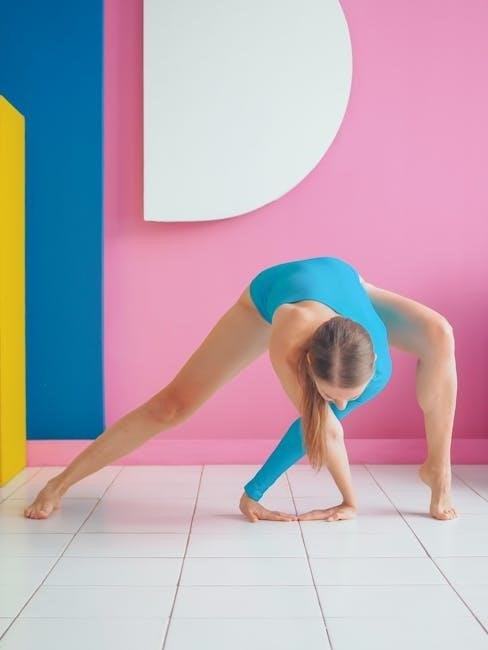
Psoas Stretches: A Comprehensive Guide (with PDF Access)
Unlock relief! This guide details nine effective psoas stretches to alleviate tightness, improve posture, and reduce lower back tension. Download our FREE PDF for easy access and a structured routine!
Understanding the Psoas Muscle
The psoas muscle, often called the “muscle of the soul,” is a deep core muscle connecting the lumbar spine to the femur. It’s actually comprised of two muscles: the psoas major and the iliacus, working together as the iliopsoas. This powerful muscle group plays a crucial role in hip flexion, bringing your knee towards your chest, and stabilizing the spine.
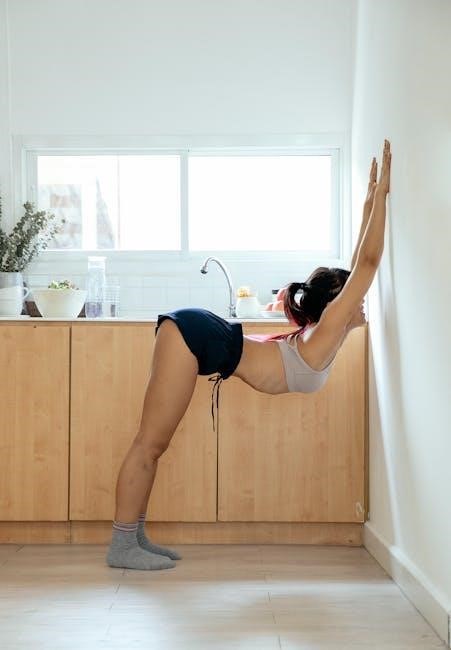
Its deep location means psoas issues often manifest as pain elsewhere – commonly in the lower back, hips, and even legs. Because it connects the upper and lower body, the psoas is heavily influenced by posture and movement patterns. Prolonged sitting, a common modern habit, can lead to psoas shortening and tightness.
Understanding the psoas’s function is key to addressing imbalances. Tightness can contribute to anterior pelvic tilt, exacerbating lower back pain and limiting range of motion. Conversely, a weak psoas can compromise spinal stability. Therefore, a balanced approach involving both psoas stretches and strengthening exercises is vital for optimal musculoskeletal health. Our downloadable PDF guide provides a comprehensive plan!

What Causes Psoas Tightness?
Several factors contribute to psoas tightness, a common issue impacting many individuals. Prolonged sitting is a primary culprit, shortening the muscle over time. This is especially prevalent in desk jobs or sedentary lifestyles. Activities like cycling, where the hip flexors are consistently engaged in a shortened position, can also contribute.
Beyond physical activity, stress plays a significant role. The psoas is intimately connected to the nervous system, and chronic stress can cause it to tense and shorten as a protective mechanism. Poor posture, particularly anterior pelvic tilt, further exacerbates the problem, placing constant strain on the muscle.
Additionally, imbalances in other muscle groups – weak glutes or core muscles – can force the psoas to overcompensate, leading to tightness. Addressing these underlying issues is crucial. Fortunately, targeted psoas stretches, detailed in our downloadable PDF guide, can help restore length and function, alongside addressing lifestyle factors.
The Benefits of Psoas Stretching
Regular psoas stretching offers a multitude of benefits extending far beyond simply increased flexibility. Releasing tension in this key muscle can significantly alleviate lower back pain, a common complaint linked to psoas tightness. Improved posture is another key advantage, helping to correct anterior pelvic tilt and promoting a more natural spinal alignment.
Beyond the physical, stretching the psoas can positively impact emotional well-being. As the muscle connects to the diaphragm, releasing tension can improve breathing and reduce feelings of stress and anxiety. Enhanced hip mobility is also a notable benefit, improving performance in athletic activities and everyday movements.
Our comprehensive PDF guide provides a structured approach to incorporating these stretches into your routine. By consistently addressing psoas tightness, you can experience increased energy levels, reduced muscle imbalances, and a greater sense of overall well-being. Unlock your body’s potential with targeted psoas care!
Psoas Stretch #1: Kneeling Hip Flexor Stretch
This foundational stretch effectively targets the psoas and hip flexors. Begin by kneeling on your right knee, using a towel or cushion for comfort. Ensure your left foot is flat on the floor, with your knee bent at a 90-degree angle. Keep your hips square, avoiding rotation, and maintain a neutral spine.
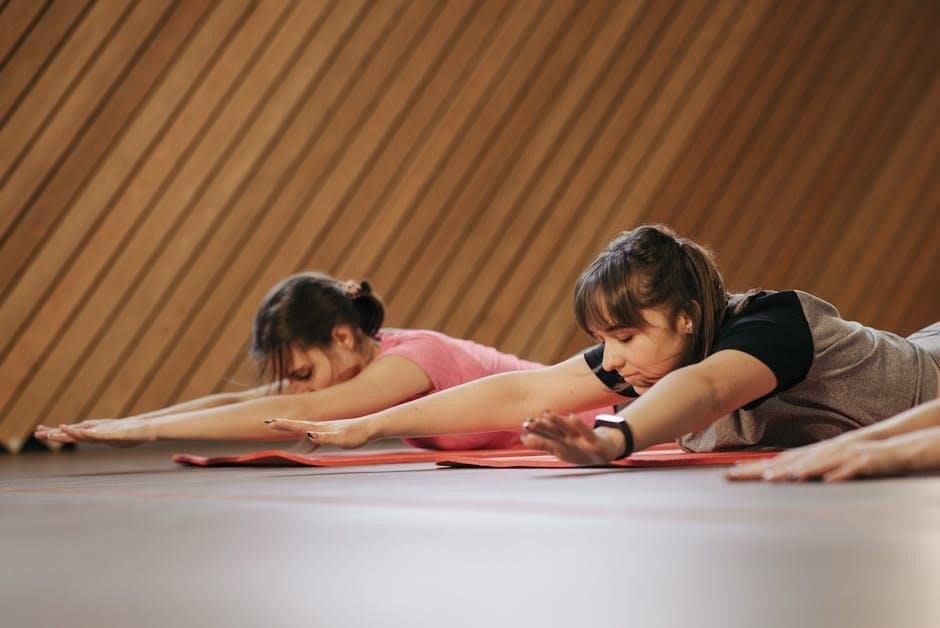
Now, gently raise your right hand overhead and slowly lean towards your left knee. You should feel a stretch in the front of your right hip and thigh. To deepen the stretch, add a slight back extension – lean back gently, only if it doesn’t cause low back pain.
Hold this position for 30 seconds, breathing deeply. Repeat on the other side. This stretch is detailed visually within our downloadable PDF guide, offering step-by-step instructions and modifications. Remember to listen to your body and avoid pushing beyond your comfortable range of motion. Consistency is key!
Psoas Stretch #2: Couch Stretch
The Couch Stretch is an intense, yet highly effective, psoas stretch. Position yourself facing away from a couch or stable chair. Place the top of one foot (let’s start with the right) on the couch seat, ensuring your shin is parallel to the floor. Step your left foot forward into a lunge position, maintaining a 90-degree angle in both knees.
Keep your torso upright and engage your core to prevent excessive arching in your lower back. You should feel a deep stretch in the front of your right hip and thigh, specifically targeting the psoas. To modify, reduce the height of the surface your foot is resting on.
Hold this stretch for 30-60 seconds, focusing on deep, controlled breathing. Repeat on the left side. Detailed imagery and progressive variations are available in our comprehensive PDF guide. This stretch requires good flexibility; proceed cautiously and stop if you experience any sharp pain. It’s a powerful tool for releasing significant psoas tension!
Psoas Stretch #3: Butterfly Stretch
The Butterfly Stretch, while often associated with inner thigh work, provides a gentle yet effective release for the psoas muscle. Begin by sitting on the floor with the soles of your feet together, allowing your knees to fall open to the sides. Bring your heels as close to your groin as comfortable.
Gently press your knees towards the floor using your elbows, deepening the stretch. Maintain a straight spine and avoid rounding your back. You should feel a stretch along the inner thighs, groin, and a subtle release in the hip flexors, including the psoas. For a deeper stretch, gently lean forward from the hips, keeping your back straight.
Hold the stretch for 30-60 seconds, breathing deeply and allowing your body to relax. This is a great stretch for beginners. Our downloadable PDF guide provides visual aids and modifications for varying flexibility levels. Remember to listen to your body and avoid pushing beyond your comfortable range of motion. It’s a calming and restorative stretch!
Psoas Stretch #4: Pigeon Pose
Pigeon Pose is a more advanced stretch that deeply targets the psoas and hip flexors. Begin in a tabletop position (hands and knees). Bring your right knee towards your right wrist, positioning your right ankle towards your left hip. Extend your left leg straight back behind you, keeping your hips square to the front.
Lower your torso towards the floor, either resting on your forearms or extending your arms forward. You should feel a deep stretch in your right hip and psoas. Breathe deeply and relax into the pose, allowing your hips to sink closer to the floor. If the stretch is too intense, you can modify by placing a block or blanket under your right hip.
Hold for 30-60 seconds, then repeat on the other side. This pose requires flexibility and should be approached with caution. Our comprehensive PDF guide offers modifications and preparatory stretches to help you safely access Pigeon Pose. Remember to prioritize proper form over depth to avoid injury. It’s a powerful release!
Psoas Stretch #5: Lying Quad Stretch
The Lying Quad Stretch is a gentle yet effective way to target the psoas, particularly when combined with mindful breathing. Lie on your right side with your legs extended. Bend your left knee and reach back with your left hand to grasp your left foot or ankle.
Gently pull your heel towards your glutes, feeling a stretch in the front of your thigh and hip. Ensure your knees are stacked or slightly offset to intensify the psoas engagement. Maintain a neutral spine and avoid arching your back. Hold the stretch for 30-60 seconds, breathing deeply throughout.
Repeat on the other side. This stretch is excellent for beginners and can be easily modified using a strap if you can’t reach your foot. Our downloadable PDF guide provides visual aids and variations for all levels. Remember, consistency is key! Incorporate this stretch into your routine for improved flexibility and reduced psoas tension.
Psoas Stretch #6: Standing Psoas Stretch
The Standing Psoas Stretch is a dynamic stretch ideal for incorporating into your daily routine. Begin by standing tall with your feet hip-width apart. Step forward with your right leg into a lunge position, ensuring your front knee is directly over your ankle.
Keep your back straight and gently tuck your tailbone under, feeling a stretch in the front of your left hip. You can deepen the stretch by raising your right arm overhead and leaning slightly to the left. Hold for 30-60 seconds, focusing on your breath.
Repeat on the other side. This stretch is great for improving posture and releasing tension accumulated from prolonged sitting. For detailed instructions and modifications, refer to our comprehensive PDF guide, available for free download! Remember to listen to your body and avoid pushing yourself beyond your comfort level. Consistent practice will yield noticeable improvements in flexibility and reduced lower back discomfort.
Psoas Stretch #7: Modified City Stretch
The Modified City Stretch is a more accessible variation of a challenging hip flexor stretch, perfect for increasing psoas flexibility. Begin by kneeling on your right knee with your left foot flat on the floor in front of you, forming a 90-degree angle.
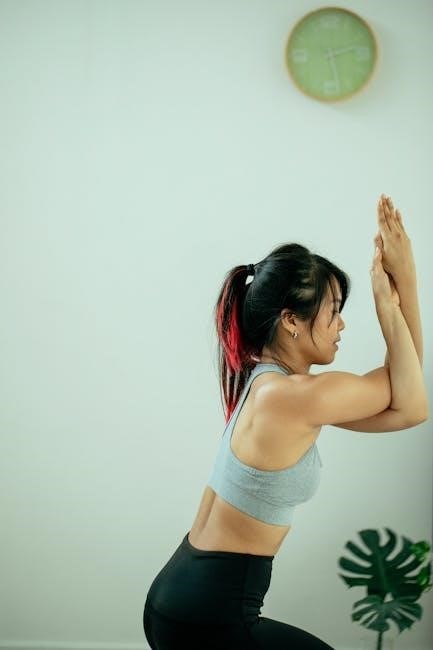
Maintain an upright posture and gently squeeze your glutes to protect your lower back. Lean forward slightly, keeping your core engaged, until you feel a stretch in the front of your right hip. To modify, place your hands on your left thigh for support.
Hold the stretch for 30-60 seconds, breathing deeply. This stretch targets the psoas and hip flexors, improving range of motion and alleviating lower back pain. For a visual guide and further variations, download our free PDF stretching guide! Remember to prioritize proper form over depth, and always listen to your body’s signals. Consistent practice will enhance your flexibility and overall well-being.
Psoas Stretch #8: Deep Squat Hold
The Deep Squat Hold is a powerful stretch that targets the psoas, quads, and hip flexors simultaneously. Begin by standing with your feet slightly wider than shoulder-width apart, toes pointed slightly outward. Slowly lower your hips down as if sitting into a chair, keeping your back straight and core engaged.
Continue lowering until your thighs are parallel to the ground or as low as comfortably possible. You may need to gently push your knees outward to create space. Hold this position, focusing on relaxing your hips and feeling a stretch in the front of your thighs and hips.
For a deeper stretch, gently lean forward while maintaining a straight back. Hold for 30-60 seconds, breathing deeply. This stretch improves flexibility and strengthens the muscles surrounding the hip joint. Access detailed instructions and variations within our comprehensive PDF stretching guide! Remember to listen to your body and avoid pushing beyond your limits.
Psoas Stretch #9: Reclined Psoas Release
The Reclined Psoas Release is a gentle yet effective stretch, ideal for releasing tension in the psoas while promoting relaxation. Lie on your back with your knees bent and feet flat on the floor. Bring one knee towards your chest, gently clasping it with both hands.
Slowly pull your knee closer to your chest, feeling a stretch in the front of your hip and thigh. Maintain a relaxed lower back, pressing it gently into the floor. Hold this position for 30-60 seconds, breathing deeply and allowing your muscles to release.
Repeat on the other side. This stretch is particularly beneficial for those experiencing lower back pain or tightness. For a more intense release, gently rock your knee from side to side. Detailed visuals and modifications are available in our downloadable PDF guide! Prioritize comfort and avoid any sharp pain during this exercise.
Strengthening Exercises for the Psoas
While stretching is crucial, strengthening the psoas muscle is equally important for long-term health and stability. A weak psoas can contribute to poor posture and increased risk of injury. Strengthening exercises help restore proper muscle balance and support the spine.
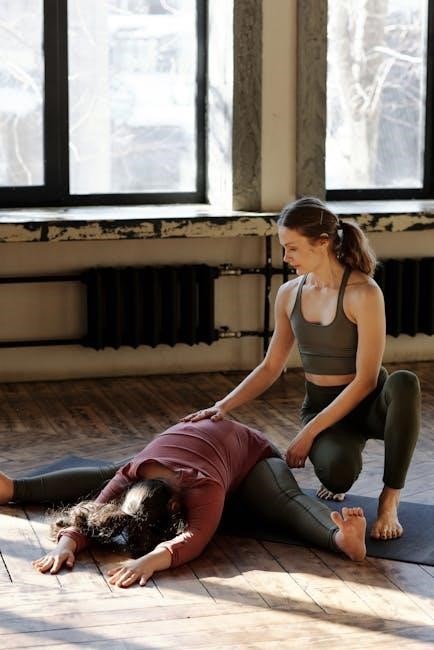
Focus on exercises that engage the hip flexors, quads, and core. Our PDF guide details four powerful hip flexor strengthening exercises designed to target the psoas, TFL, and quads simultaneously. These exercises improve posture, flexibility, and core strength.
Remember to perform these exercises with controlled movements, focusing on proper form. Strengthening the psoas isn’t about building bulk; it’s about enhancing functional strength and stability. Consistent effort will yield significant improvements in lower back health and overall movement patterns. Download the FREE PDF for detailed instructions and a complete workout routine!
Hip Flexor Strengthening Exercises
Strengthening your hip flexors, including the psoas, is vital for optimal movement and stability. Weak hip flexors can lead to postural imbalances and lower back pain. Our recommended exercises focus on rebuilding strength and endurance in these key muscles.
The FREE downloadable PDF guide provides a comprehensive set of four powerful exercises. These are specifically designed to strengthen the psoas, tensor fasciae latae (TFL), and quadriceps muscles concurrently. This holistic approach ensures balanced development and prevents compensatory patterns.
Exercises include variations that can be adapted to different fitness levels, making them accessible for beginners and experienced individuals alike. Remember to prioritize proper form over the number of repetitions. Consistent practice, guided by our PDF, will lead to noticeable improvements in posture, core strength, and overall functional fitness. Start strengthening today!
The Importance of Strengthening Alongside Stretching
While psoas stretching provides immediate relief from tightness and improves flexibility, it’s only one piece of the puzzle. Focusing solely on stretching without addressing muscle strength can lead to instability and potentially exacerbate imbalances over time. A comprehensive approach necessitates strengthening exercises.
The psoas plays a crucial role in core stability and movement. Stretching lengthens the muscle, but strengthening rebuilds its capacity to support the spine and pelvis effectively. Our FREE downloadable PDF guide emphasizes this balance, offering a curated selection of exercises to complement the stretches.
Strengthening the hip flexors, alongside the psoas, ensures proper biomechanics and prevents the development of compensatory patterns. This integrated approach, detailed within the PDF, promotes long-term improvements in posture, reduces the risk of injury, and enhances overall functional movement. Don’t just stretch – strengthen!
Creating a Psoas Stretching Routine
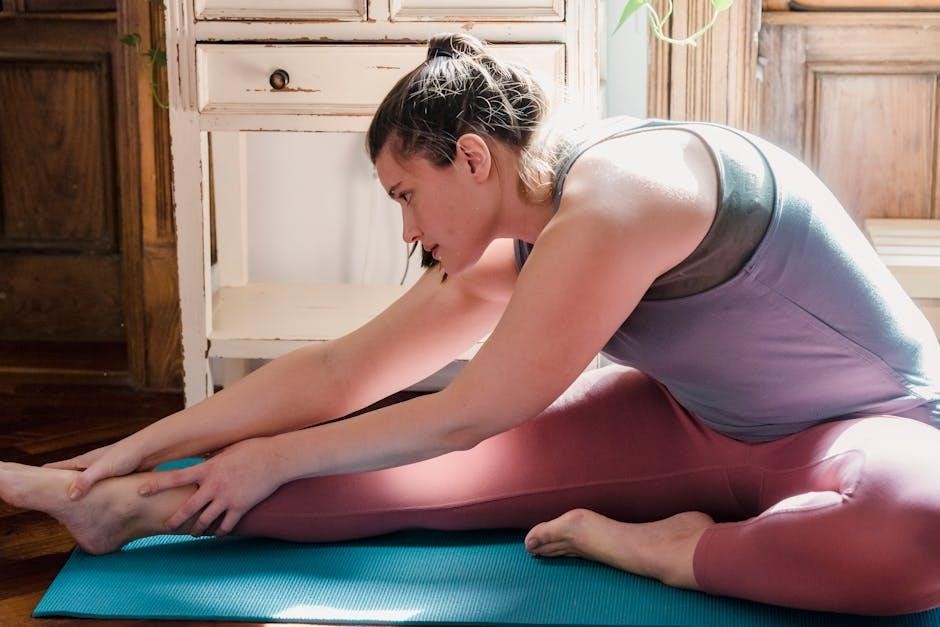
Building a consistent psoas stretching routine is key to unlocking lasting benefits. Begin with a gentle warm-up, preparing your muscles for deeper stretches. Incorporate 3-5 stretches from our guide, holding each for 30-60 seconds, focusing on deep, controlled breathing.
Frequency is crucial; aim for at least 3-4 sessions per week. Listen to your body and avoid pushing through pain. Our FREE downloadable PDF provides sample routines for beginners and more experienced individuals, allowing you to tailor the program to your needs.
Remember to combine stretching with the strengthening exercises also detailed in the PDF. This holistic approach ensures balanced muscle development and prevents imbalances. Consistency, proper form, and mindful breathing are the cornerstones of an effective psoas stretching routine. Prioritize quality over quantity, and enjoy the journey to improved flexibility and reduced tension!
Downloadable Psoas Stretching PDF Guide
Gain instant access to our comprehensive Psoas Stretching PDF Guide! This invaluable resource consolidates all nine stretches detailed in this guide, presented with clear instructions and illustrative images for easy understanding. It’s perfect for practicing at home, at the gym, or while traveling.
Beyond the stretches themselves, the PDF includes a dedicated section on hip flexor strengthening exercises, vital for balanced muscle development and preventing future tightness. You’ll also find guidance on creating a personalized stretching routine, tailored to your fitness level and specific needs.
Download now to ease back pain, improve your posture, and boost your overall flexibility. This guide is designed for both beginners and experienced stretchers alike, offering a pathway to a healthier, more mobile you. Don’t wait – start your journey to a pain-free life today with our FREE PDF!
Precautions and Considerations
Prioritize safety when performing psoas stretches. Always listen to your body and stop immediately if you experience any sharp or intense pain. A gentle stretching sensation is normal, but pushing beyond your limits can lead to injury.
Individuals with pre-existing lower back conditions, hip injuries, or other musculoskeletal issues should consult with a healthcare professional before starting a new stretching routine. Modifications may be necessary to accommodate individual needs and limitations.
Remember to breathe deeply and consistently throughout each stretch, promoting relaxation and enhancing flexibility. Avoid holding your breath, as this can increase tension. Refer to our downloadable PDF guide for detailed instructions and visual aids to ensure proper form.
Consistency is key, but overdoing it can be counterproductive. Start slowly and gradually increase the intensity and duration of your stretches over time. Be mindful of your body’s signals and adjust accordingly.